By the Tunisia Tourism Guide team · Last updated 2 July 2026 · We don’t sell tours or take hotel commissions — this is independent advice.
Every spring we get the same run of emails. Someone’s spotted a cheap late-winter deal, or they fancy escaping the tail end of a grey British March, and they want to know one thing: what’s Tunisia actually like at that time of year? Will it be warm? Can you swim? Is it worth going before the summer crowds turn up? The honest answer is that March is one of the most rewarding — and most misunderstood — months to visit, and it pays to know exactly what you’re booking.
So here’s the straight version. Tunisia in March is a lovely time for sightseeing, with comfortable spring days averaging around 18–20°C on the coast and green, wildflower-strewn landscapes. But it isn’t a beach holiday: the sea sits at roughly 15–16°C, too cold for swimming, and nights are cool. Come for the ruins, the Sahara and the value.
That’s the trade-off in a sentence. Below we’ll unpack it properly — early March versus late March, day and night temperatures, how realistic swimming is, rain and daylight, how busy it is, the best regions to base yourself, and one thing that genuinely shapes a March 2027 trip: Ramadan. If you’re still weighing up which month suits you, our full best time to visit Tunisia guide sets March in context against the rest of the year.
Tunisia in March at a glance
If you only skim one thing, make it this. These are coastal averages for the Hammamet–Sousse belt, where most UK visitors stay — always worth checking the current forecast a week or two out, because spring can swing.
| What to expect | March on the coast |
|---|---|
| Average daytime high | Around 18–20°C |
| Average overnight low | Around 10–11°C |
| Sea temperature | Around 15–16°C — too cold for most swimmers |
| Rainfall | Low-to-moderate; a handful of showery days |
| Daylight | Roughly 11–12 hours, lengthening through the month |
| Crowds & prices | Quiet and cheap — well below summer rates |
In plain terms: pack for a mild British spring rather than a Mediterranean summer. You’ll want a jumper for the evenings and something waterproof, but you’ll also get plenty of bright, warm afternoons that are perfect for being out and about.
Is Tunisia hot in March?
No — and it’s better for it, if sightseeing is your plan. “Hot” isn’t the word for Tunisia in March. “Pleasant” is. Coastal highs hover around 18–20°C, which is roughly the temperature of a good English June day, and there’s a lot of sunshine to go with it. That’s close to ideal for walking Roman sites, wandering souks or riding a camel into the dunes without wilting in the heat — the kind of touring that becomes genuinely uncomfortable in July and August.
The catch is the gap between day and night. Once the sun drops, the temperature falls away quickly to around 10–11°C, and it can feel colder still with a breeze off the sea. This is a place where you’ll be in shirtsleeves at lunchtime and reaching for a fleece by nine. It’s not cold — it’s just not the balmy evening you might be picturing.
There’s also a real difference between the start and the end of the month, which the monthly averages hide.
Early March versus late March
Early March still has one foot in winter. The first week or two can throw up cooler, greyer, breezier days — highs closer to 16–17°C, the odd band of rain, and a sea that’s about as cold as it gets all year. It’s perfectly fine for touring under a jacket, but you wouldn’t call it a sun holiday.
By late March the mood shifts. Days lengthen noticeably, the light softens, afternoons more reliably nudge 19–20°C, and the whole country feels like it’s exhaling into spring. If you have a choice of dates and warmth matters to you, aim for the back half of the month — it’s the difference between “pleasant with layers” and “genuinely lovely.” And if late March suits you, our guide to Tunisia in April is worth a look too, since the seasons blur at the edges and April simply builds on everything March starts.
Can you swim in Tunisia in March?
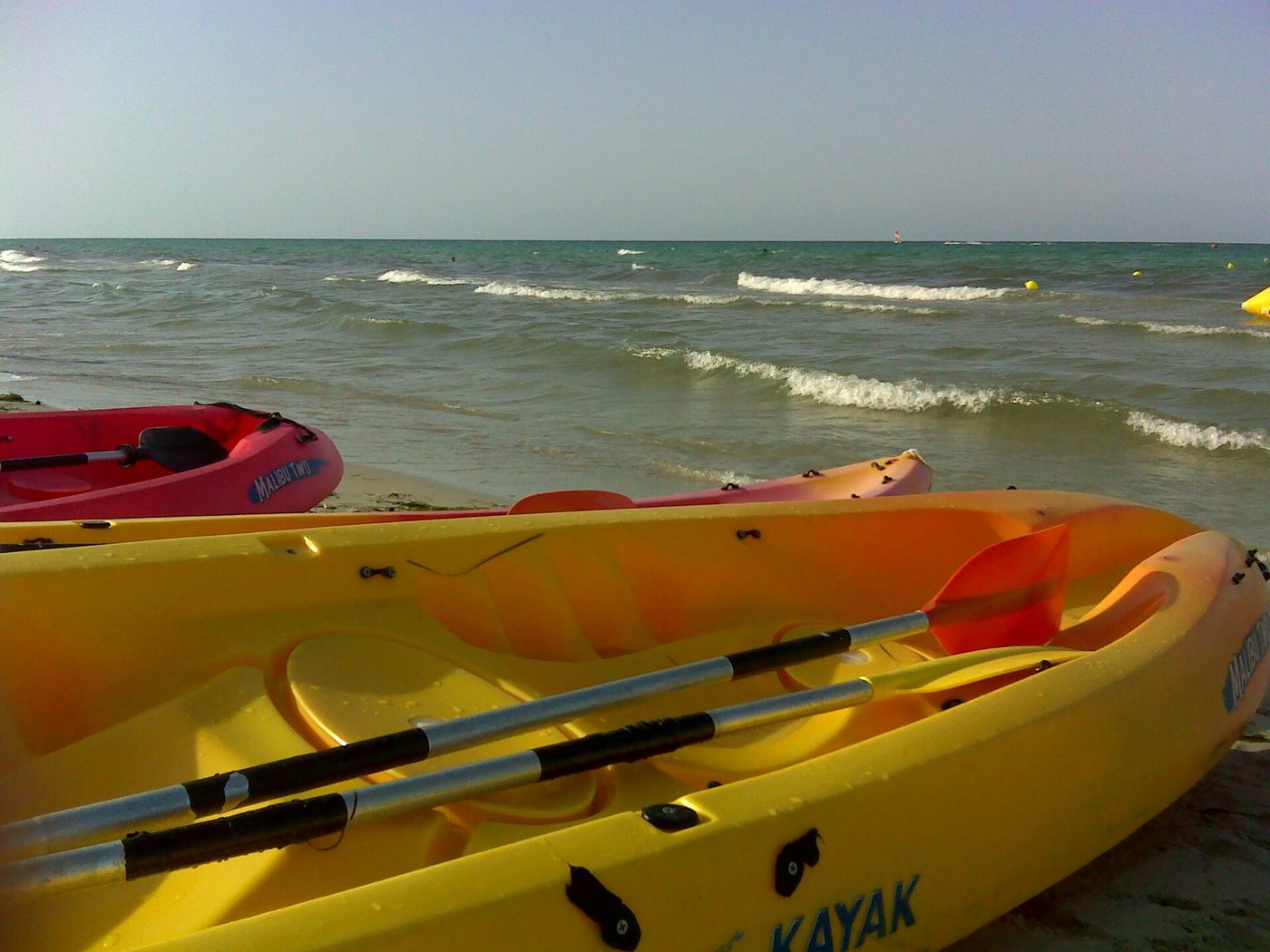
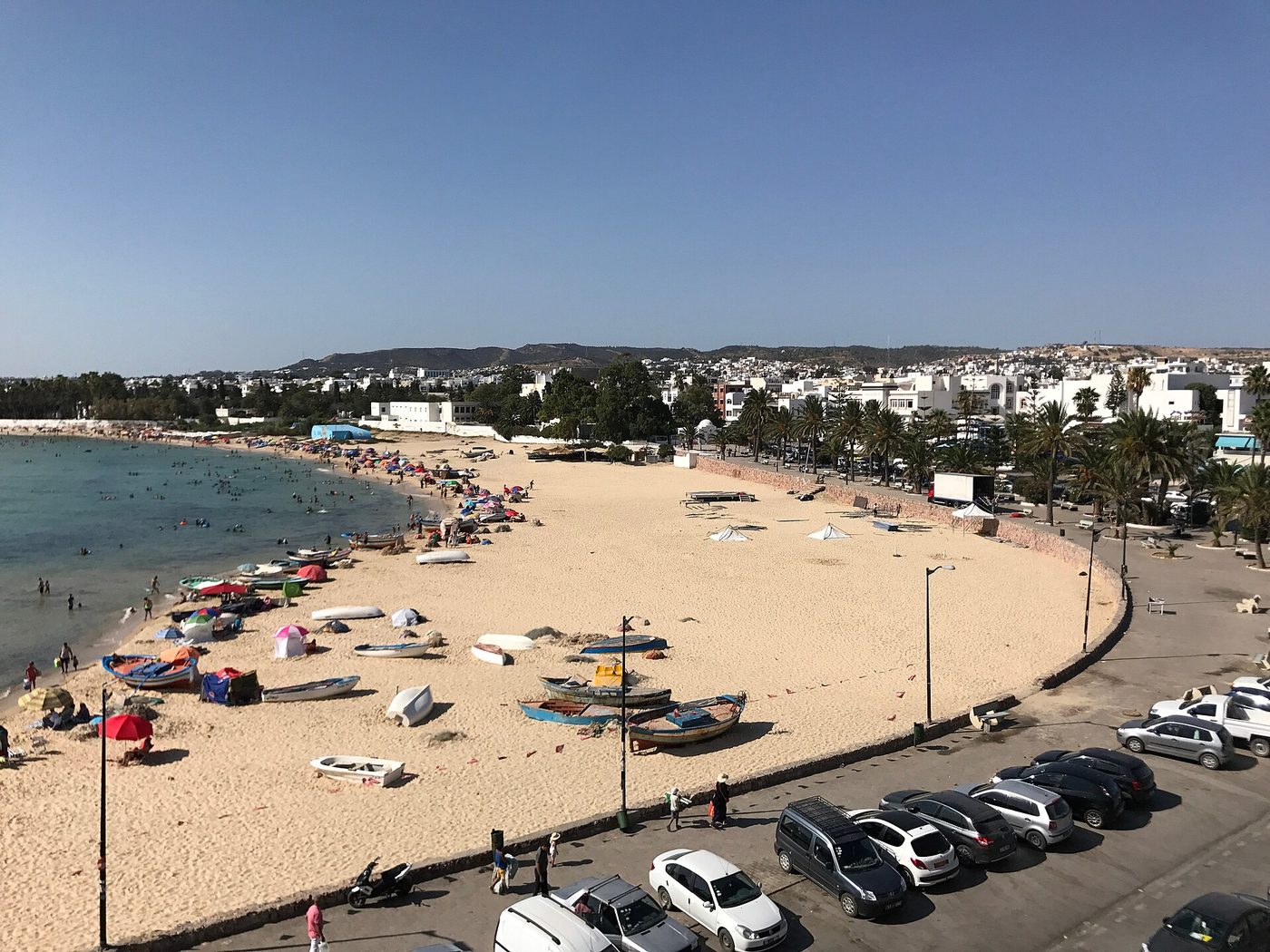
Honestly? Not comfortably, and not for long. The Mediterranean holds onto winter’s chill well after the air warms up, and in March the sea off Hammamet, Sousse and Djerba sits at roughly 15–16°C. That’s cold — bracing enough to knock the breath out of you and far too cold for a relaxed swim or a lazy afternoon in the shallows. Hardy souls and cold-water swimmers will manage a quick dip, especially when the sun’s out and the water feels a touch warmer than it is, but for most people it’s a paddle at best.
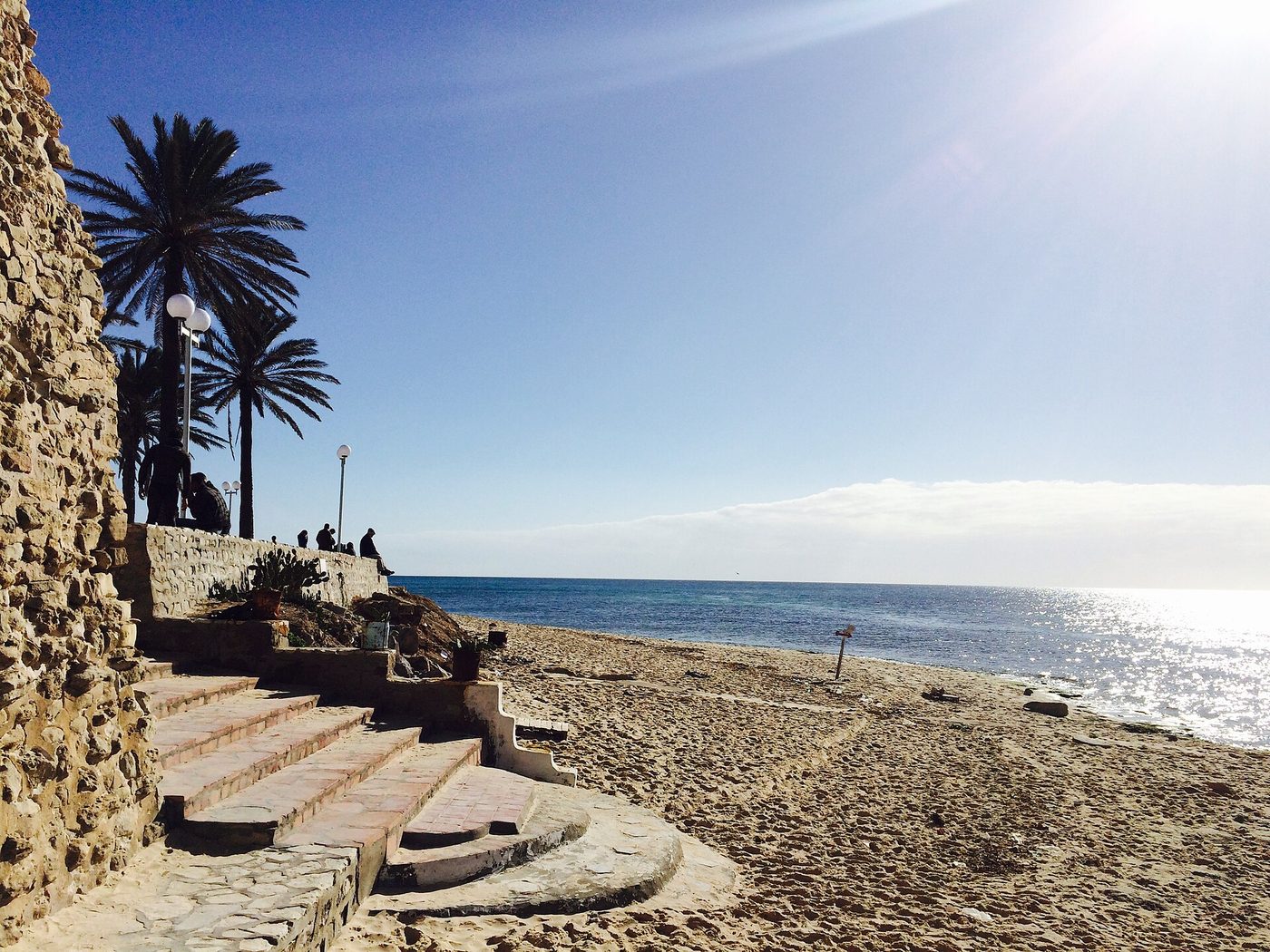
This is the single most important thing to grasp about a March trip. If your holiday is really about lying on a beach and swimming in a warm sea, March will disappoint you, and you’d be better off looking at late spring or our rundown of when the water actually warms up in the Tunisia beaches guide. But if you think of the coast as a scenic backdrop — long empty sands to walk, sea air, a hotel with a heated indoor pool and a spa — then March delivers something quieter and, in its own way, more relaxing than the peak-season scrum.
Plenty of the bigger resorts run thalassotherapy centres and heated pools precisely because the shoulder seasons are their bread and butter. A March trip built around a spa hotel, day excursions and long walks is a genuinely good holiday. A March trip built around sunbathing is a gamble you’ll usually lose.
Rain, daylight and what the sky actually does
March is a drying-out month. It’s not one of the wettest — those are December through February — but you should still expect a few showery days spread across the month, often short and sharp rather than all-day washouts. The upside of all that late-winter rain is what it does to the landscape: after the wet season, inland Tunisia turns green, hillsides flush with grass and the first wildflowers appear, especially down towards the south. It’s one of the prettiest times to see the country, and a world away from the parched gold of high summer.
Daylight stretches out through the month too. You’ll get somewhere around 11–12 hours of it, climbing steadily, with the clocks and the lengthening evenings gradually giving you more usable time for excursions. Combined with the mild temperatures, that makes March a strong month for packing a lot of sightseeing into a week without ever feeling rushed or roasted.
How busy is Tunisia in March? Crowds and prices
This is where March quietly shines. It sits firmly in the low season, which means two very good things: you’ll have the big sights close to yourself, and you’ll pay some of the lowest prices of the year.
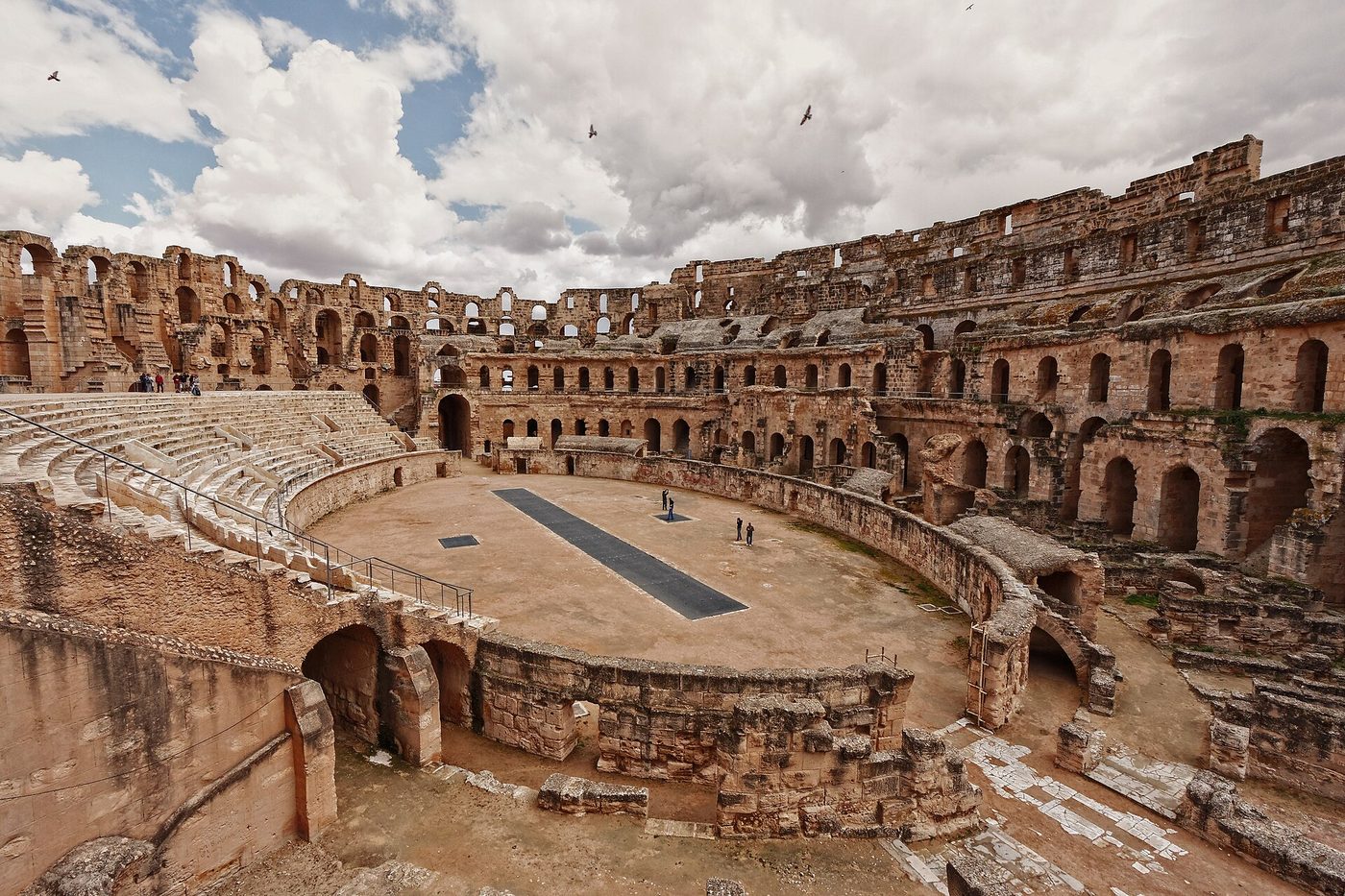
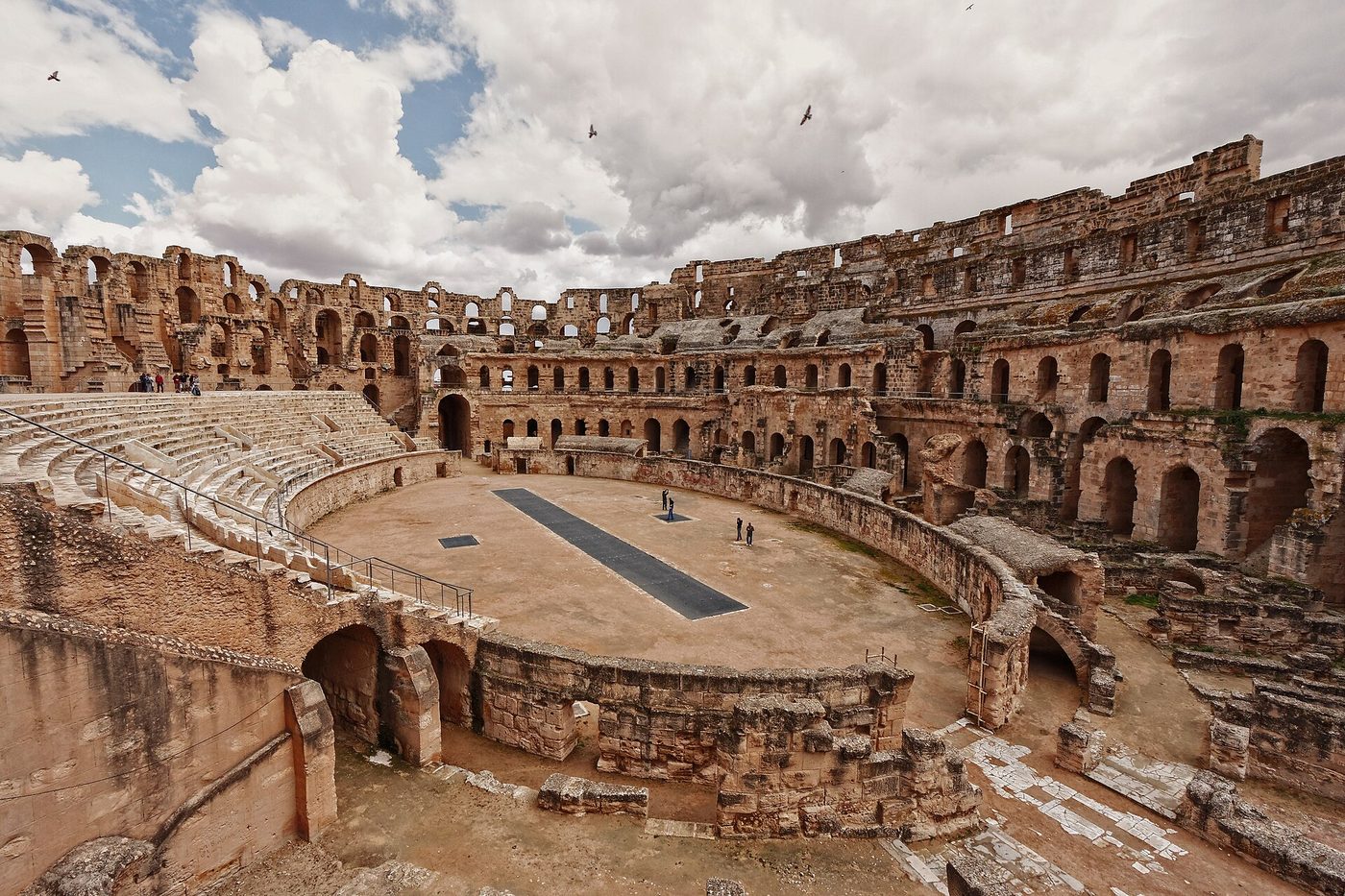
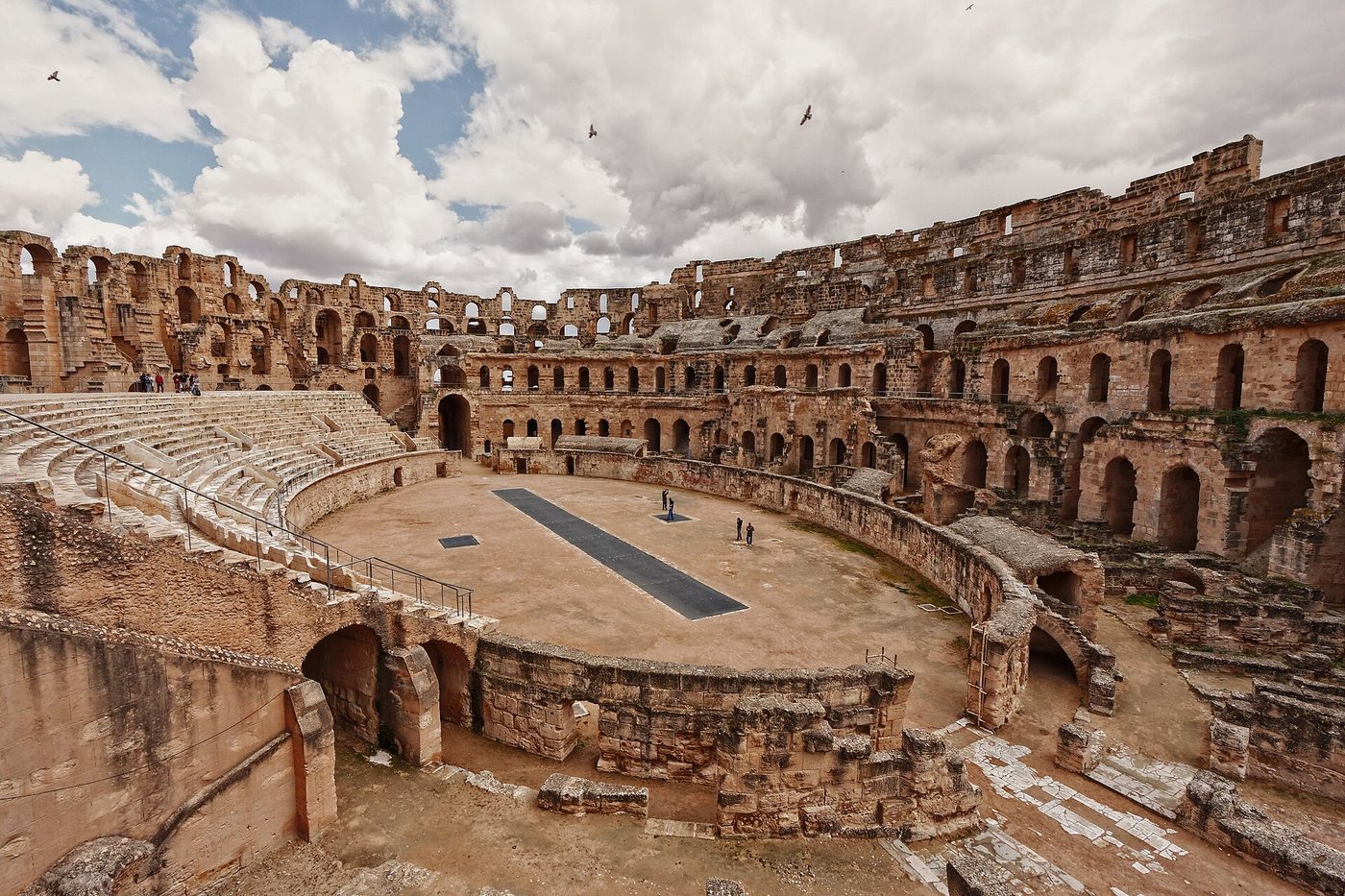
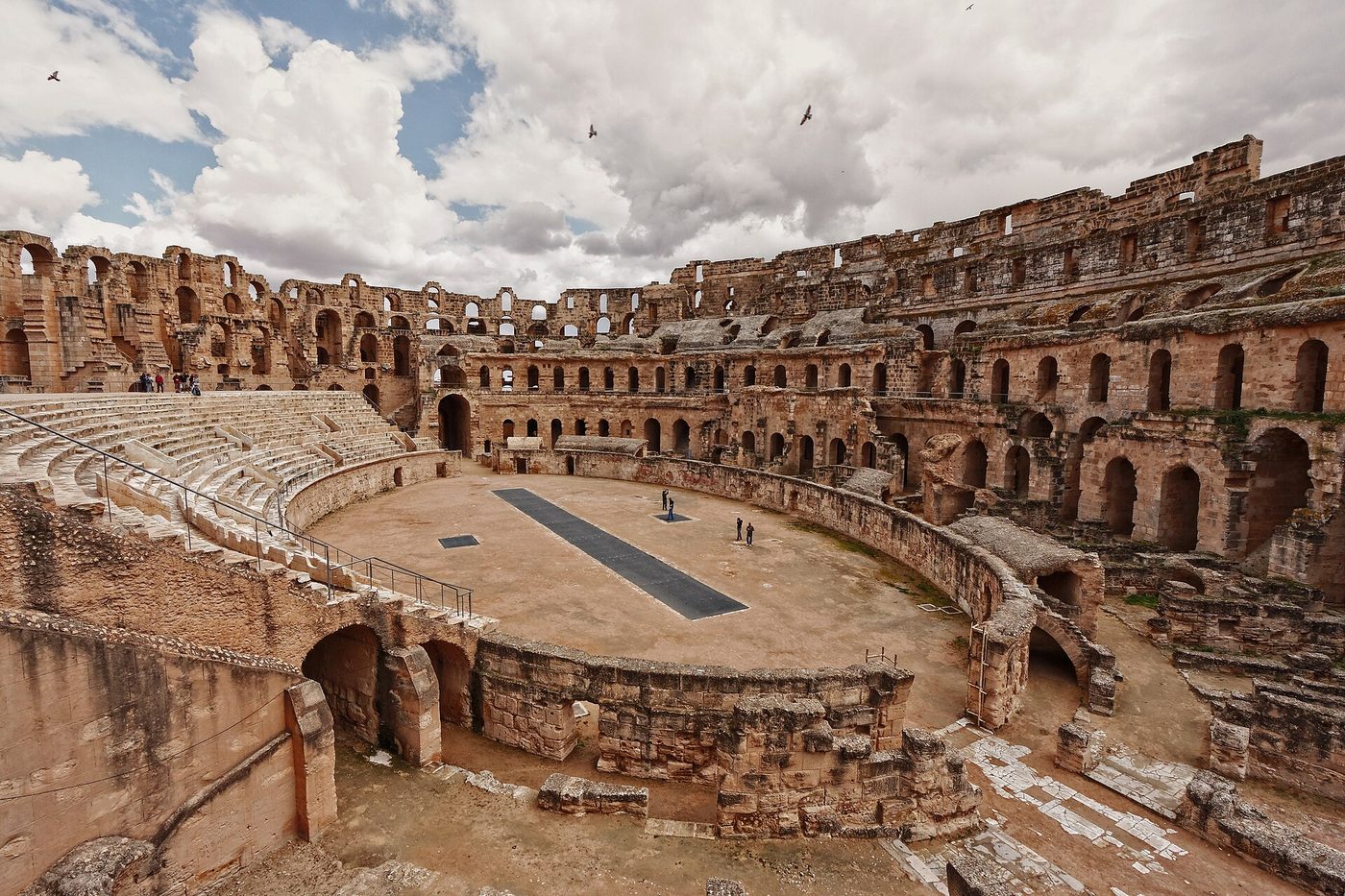
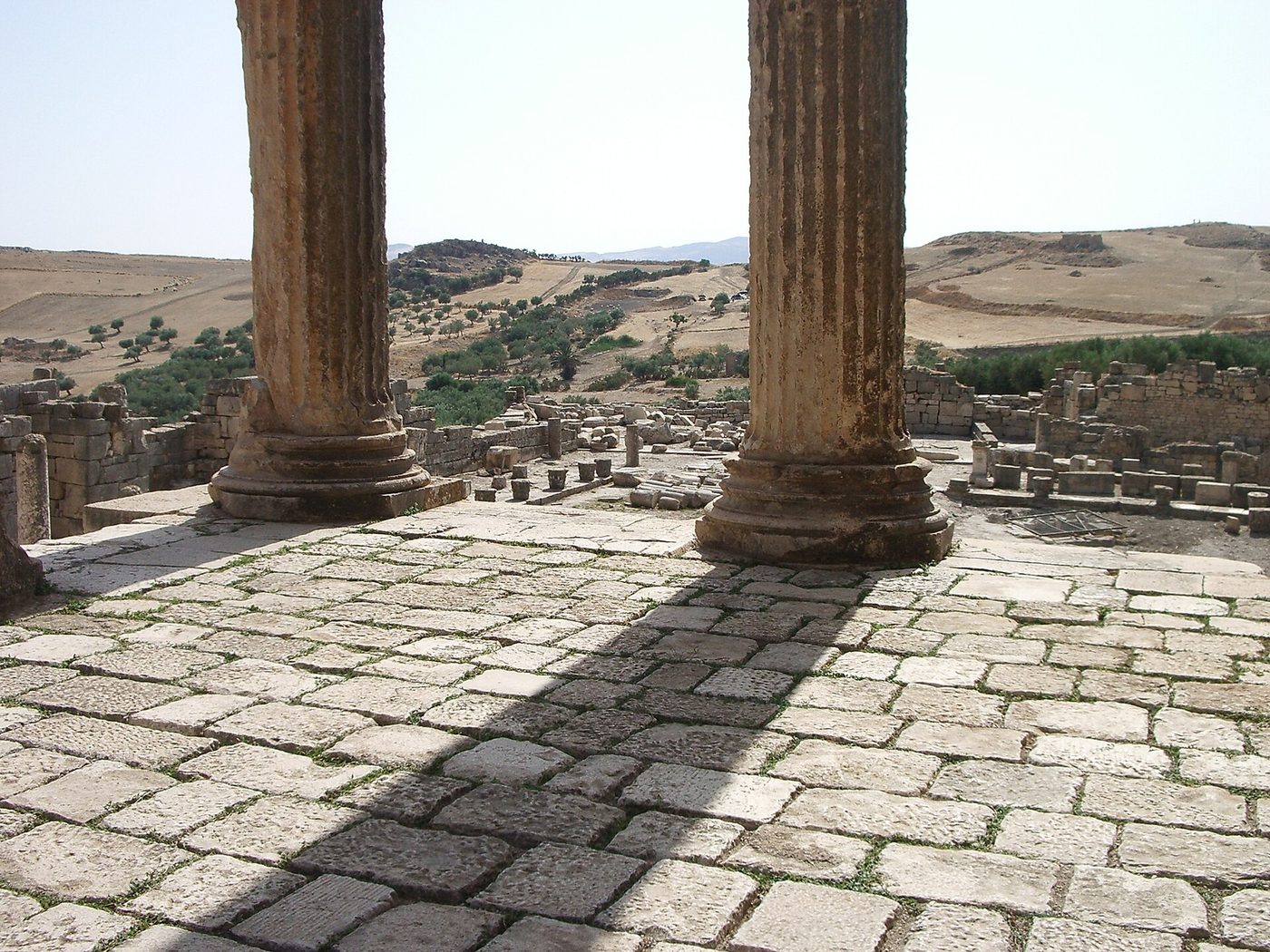
The great Roman monuments — the amphitheatre at El Djem, the ruins of Carthage above the capital, the hilltop town of Dougga — are properly quiet in March. You can stand on the arena floor at El Djem with barely another soul in sight, which in peak season is unthinkable. Souks feel calmer, restaurants have tables, and the general hassle from vendors eases off simply because there are fewer tourists to work. Our guide to the Roman ruins in Tunisia maps out the sites that reward an uncrowded visit most.
On price, March is one of the cheapest windows to book. All-inclusive weeks and flights are well below their summer peaks, and on the ground everything stays inexpensive. If value is high on your list, a shoulder-season trip like this is where Tunisia’s low cost of living really tells. Just go in knowing you’re trading warm-sea beach days for uncrowded sightseeing and a smaller bill — for a lot of travellers, that’s a trade well worth making.
Ramadan in March 2027 — what it means for your trip
This is the big one for anyone planning a March 2027 holiday, and it’s not a warning so much as a heads-up that helps you enjoy the trip more. In 2027, Ramadan — the Muslim holy month of fasting — is expected to run from roughly 8 February to around 8 March. That means most of early March 2027 falls within Ramadan, and even once it ends, the rhythm takes a few days to return to normal. (Islamic dates shift each year and depend on the moon, so treat these as close estimates and confirm nearer the time.)
Here’s what it actually looks like on the ground. During Ramadan, most Tunisians fast from dawn to sunset, so many local cafés and restaurants outside the tourist zones close or run reduced hours during the day, and the pace of daytime life slows right down. Some shops open later. It’s a gentler, more inward month.
Crucially, none of this leaves you stranded. Tourist hotels and resort restaurants carry on serving meals and drinks as normal throughout Ramadan — this is well understood and catered for. You won’t go hungry, and you won’t be expected to fast. If anything, you’ll experience something special: after sunset, towns come alive for iftar, the meal that breaks the fast, and the evening atmosphere — families out together, cafés buzzing, a warm communal energy — is genuinely lovely to witness. It’s one of the more memorable times to see everyday Tunisian culture up close, and our Tunisia culture guide gives more of the background.
A few small courtesies go a long way: it’s polite not to eat, drink or smoke conspicuously in the street during daylight hours, and to be patient if service outside your hotel is slower than usual. Do that, and travelling during Ramadan is not a hardship at all — for many it’s a highlight. If you’d rather sidestep it entirely, aim for the very end of March or, better still, travel in April, which falls clear of Ramadan in 2027.
March region by region
Where you base yourself matters more in March than in the height of summer, because the point of the trip shifts from beach to sightseeing. Here’s how the main areas stack up.
Hammamet and Sousse — the touring base
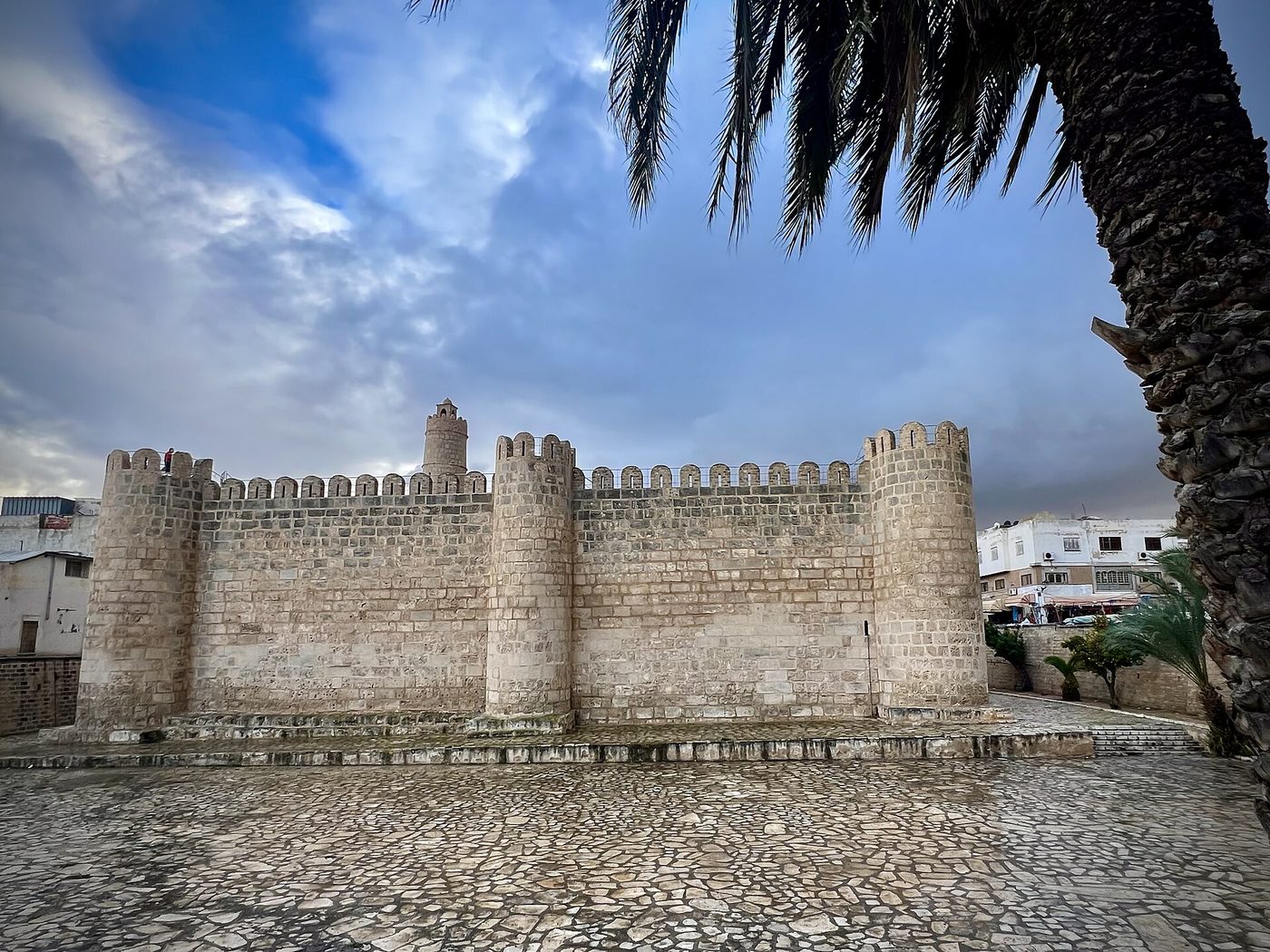
The classic UK resort belt around Hammamet and Sousse makes the most sense for a first March trip. Not because you’ll be swimming — you won’t — but because these towns are the best-connected launchpads for day trips, packed with hotels that stay open and comfortable in the shoulder season, many with heated pools and spas. From here El Djem is an easy run, Sousse’s own walled medina is a highlight, and you’re well placed for the capital. Think of the coast as your comfortable, cheap base camp rather than the main event.
Djerba — the mild-winter island
The southern island of Djerba runs a degree or two warmer and drier than the northern coast, which makes it a slightly softer choice in early spring. The sea is still too cold for swimming, but you’ll generally find more reliable sunshine, gentle days for cycling flat lanes between whitewashed villages, and a relaxed pace. It’s the pick if you want the mildest, brightest weather March can offer and you’re happy to fly into Djerba directly.
Tunis and Carthage — the culture capital
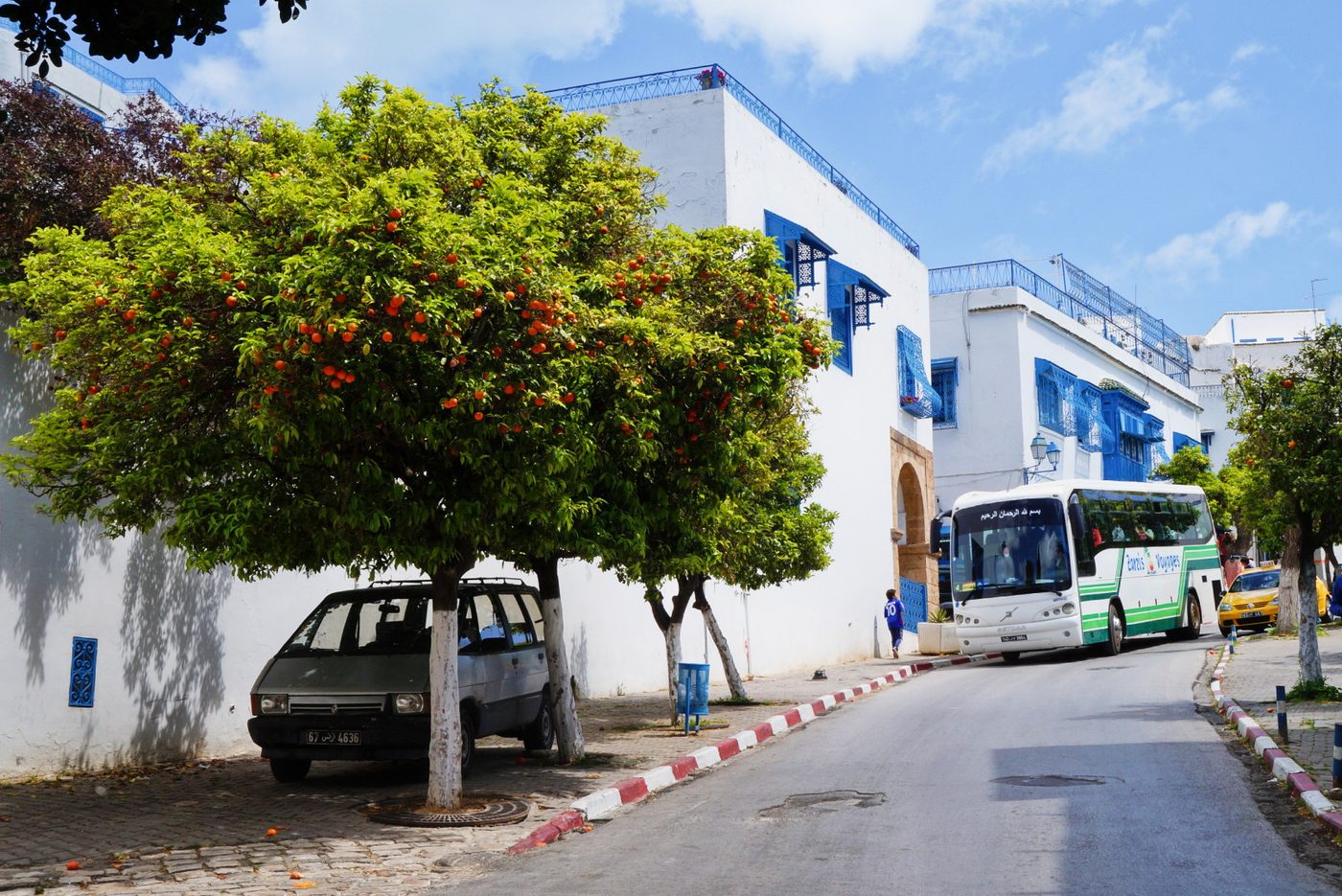
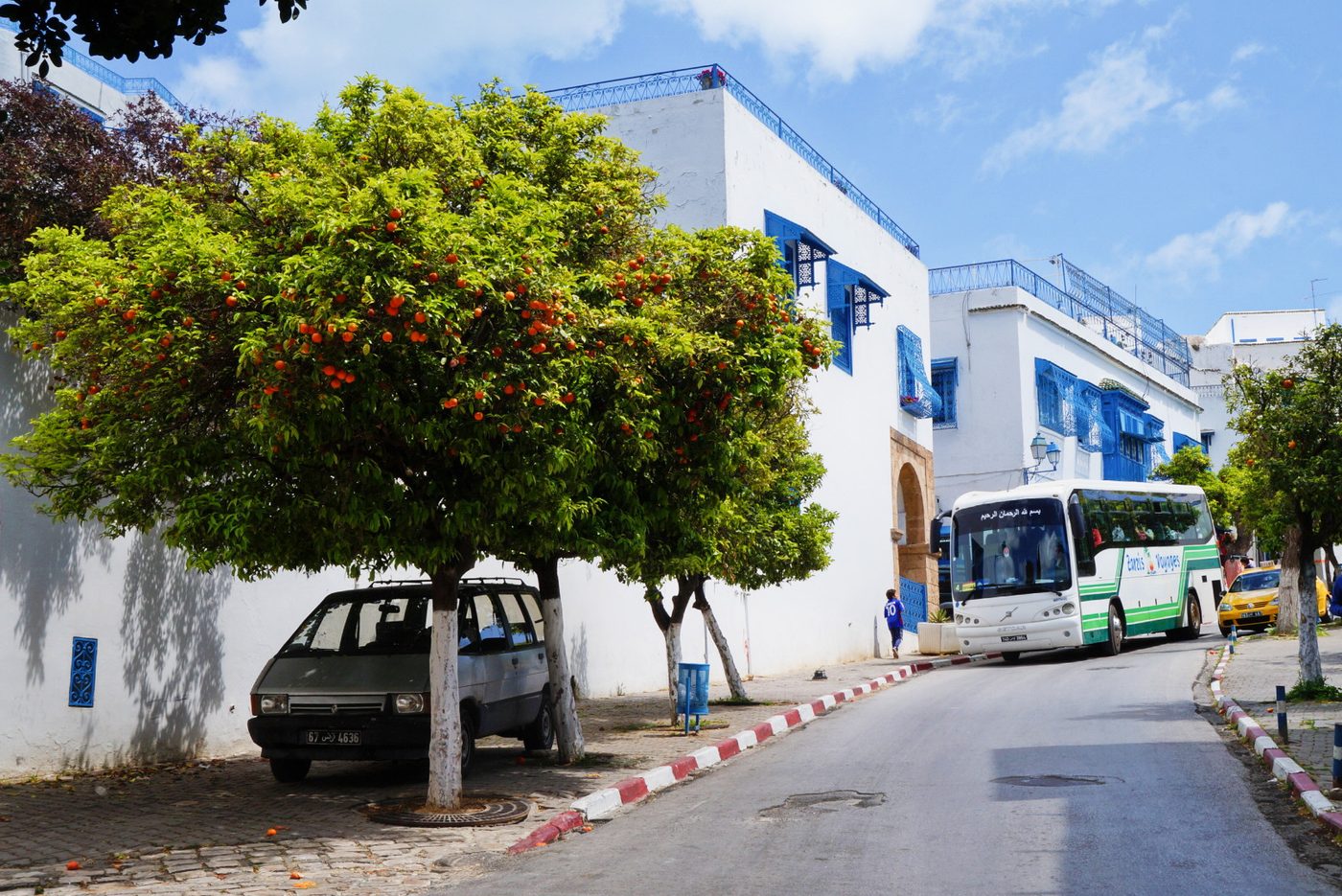
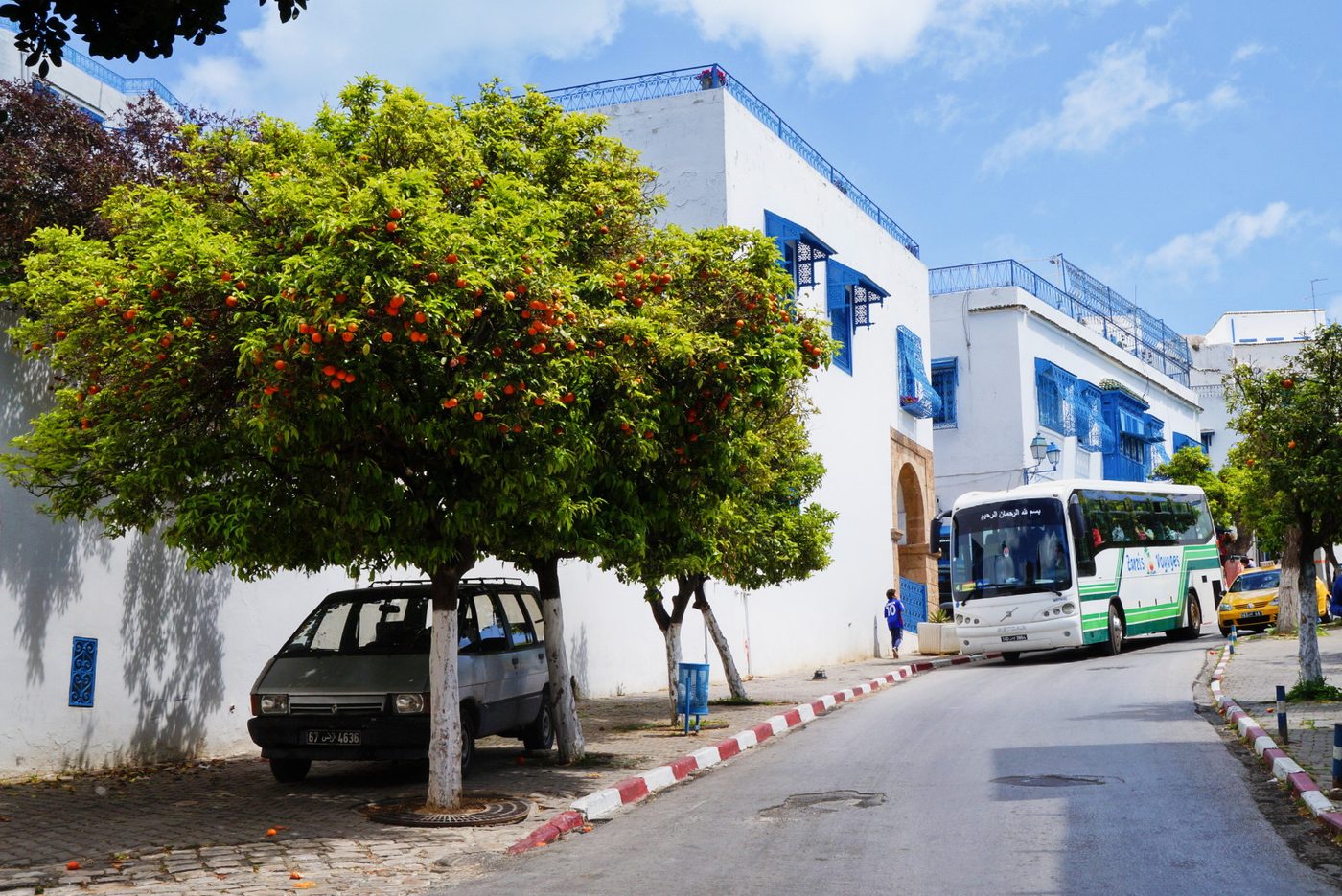
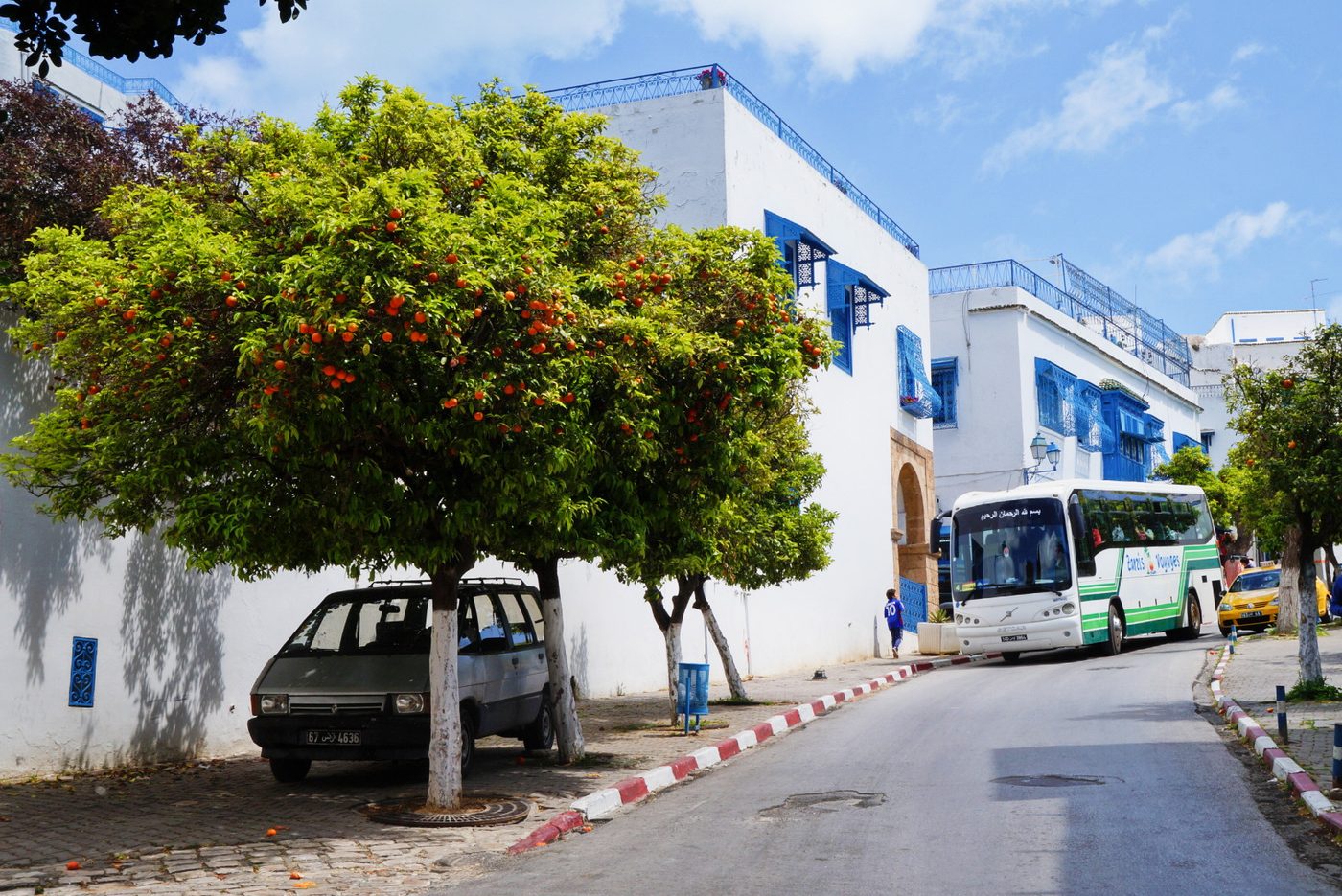
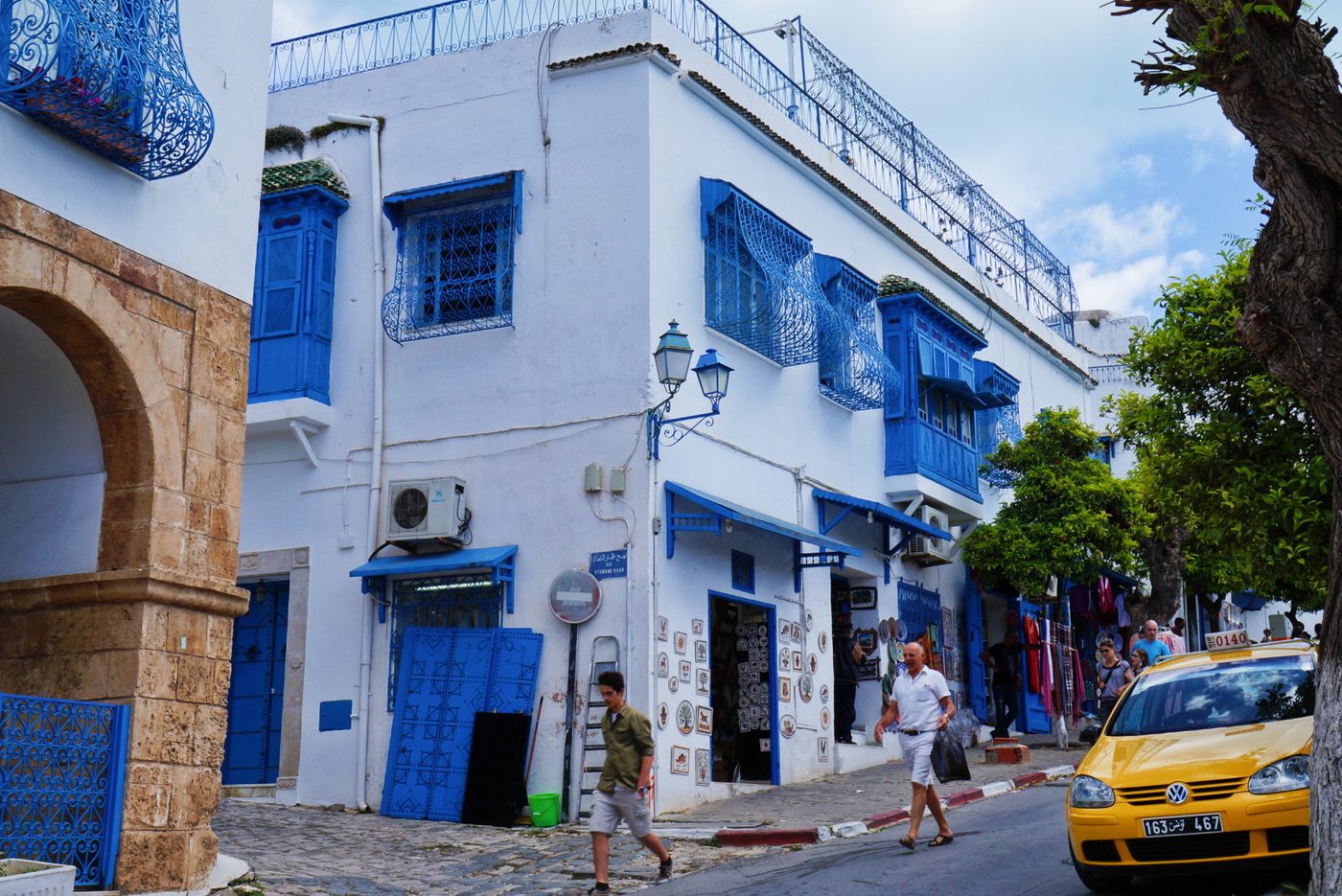
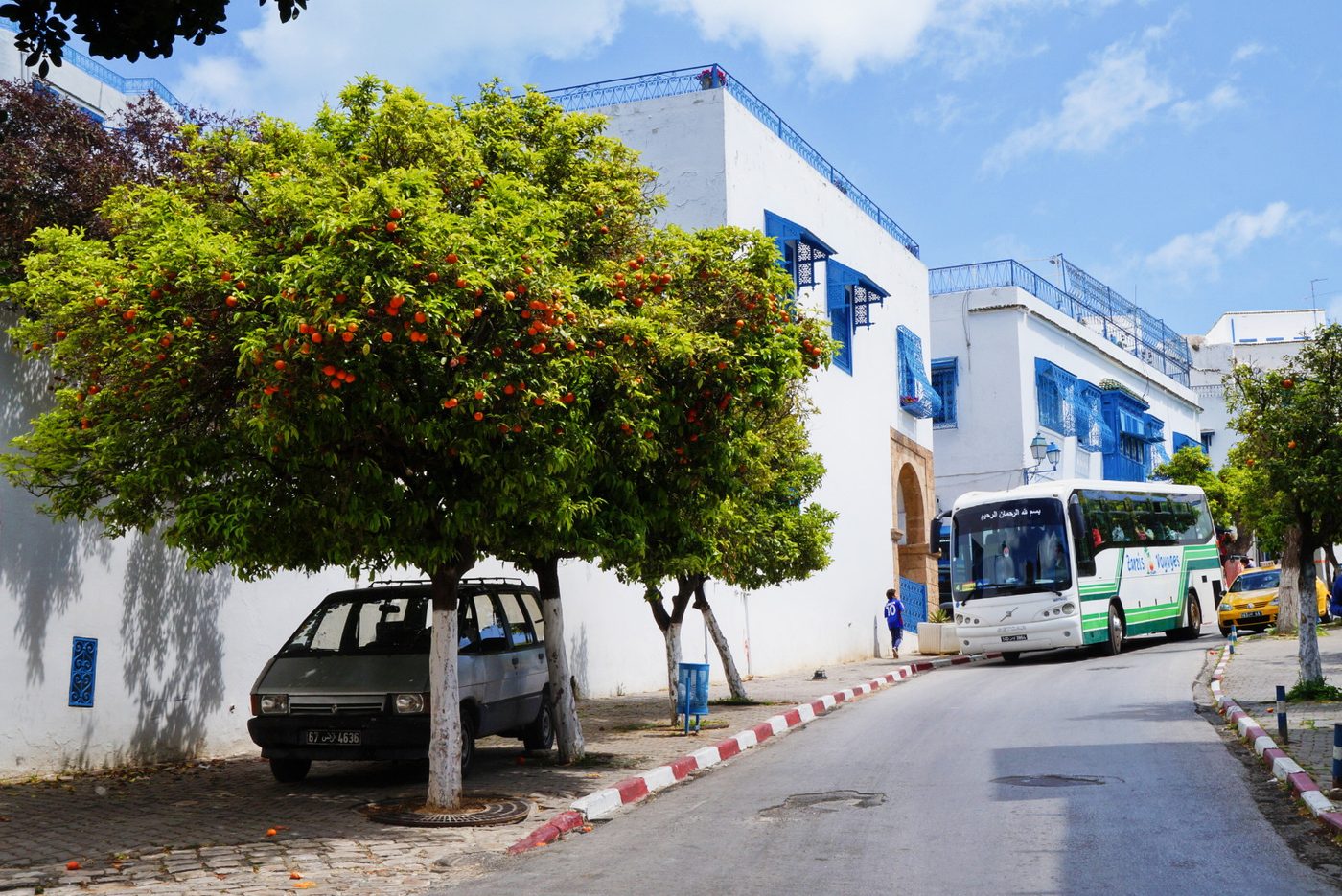
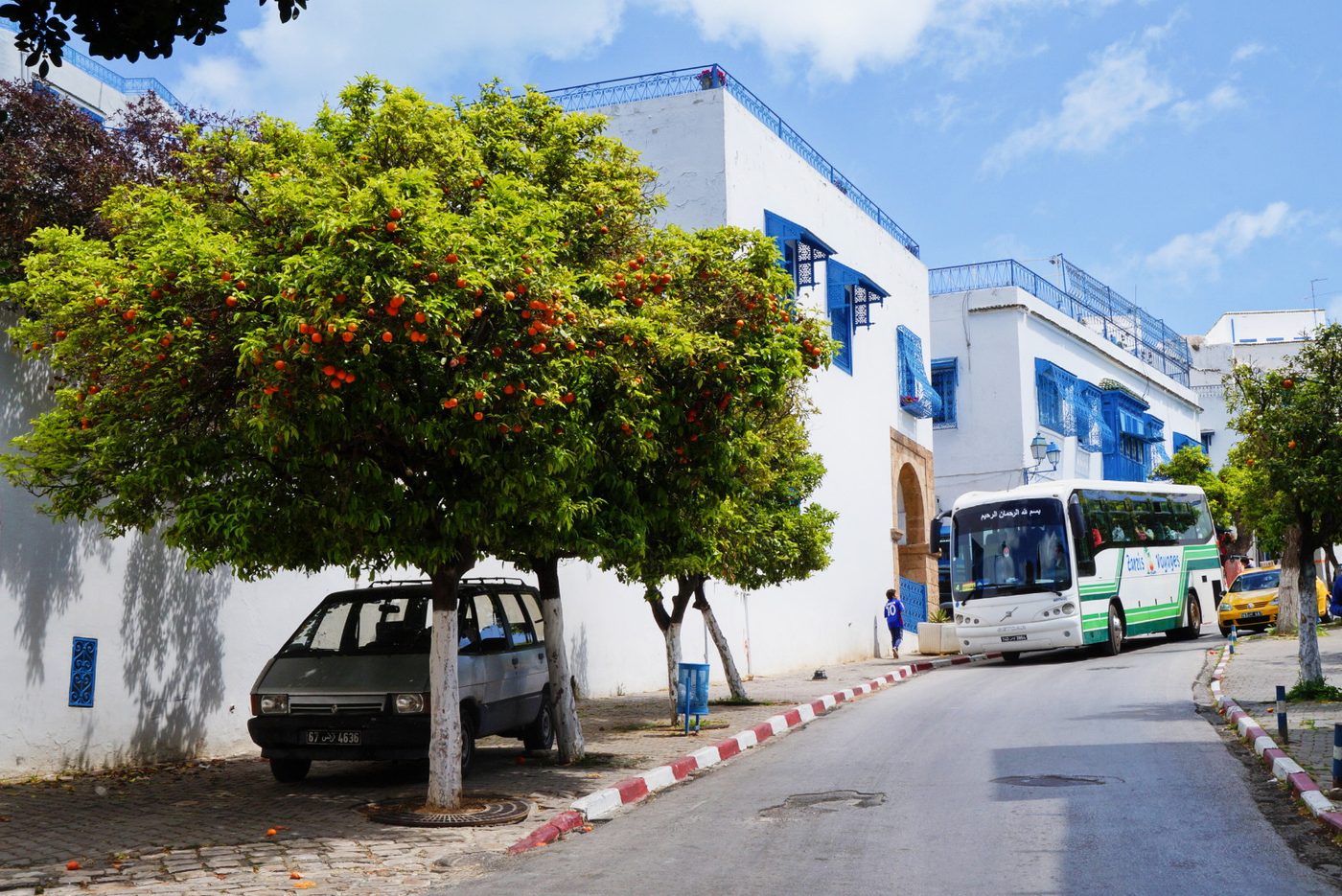
March is an excellent month for the capital. Tunis in spring is comfortable for walking — the medina, the Bardo Museum’s mosaics, and the ruins of Carthage strung along the coast just outside town — without the summer heat that makes city sightseeing a slog. The pretty blue-and-white village of Sidi Bou Said, perched above the sea, is at its best in soft spring light and pleasantly quiet. A couple of days here pairs perfectly with a coastal base.
The Sahara at Tozeur and Douz — prime touring season
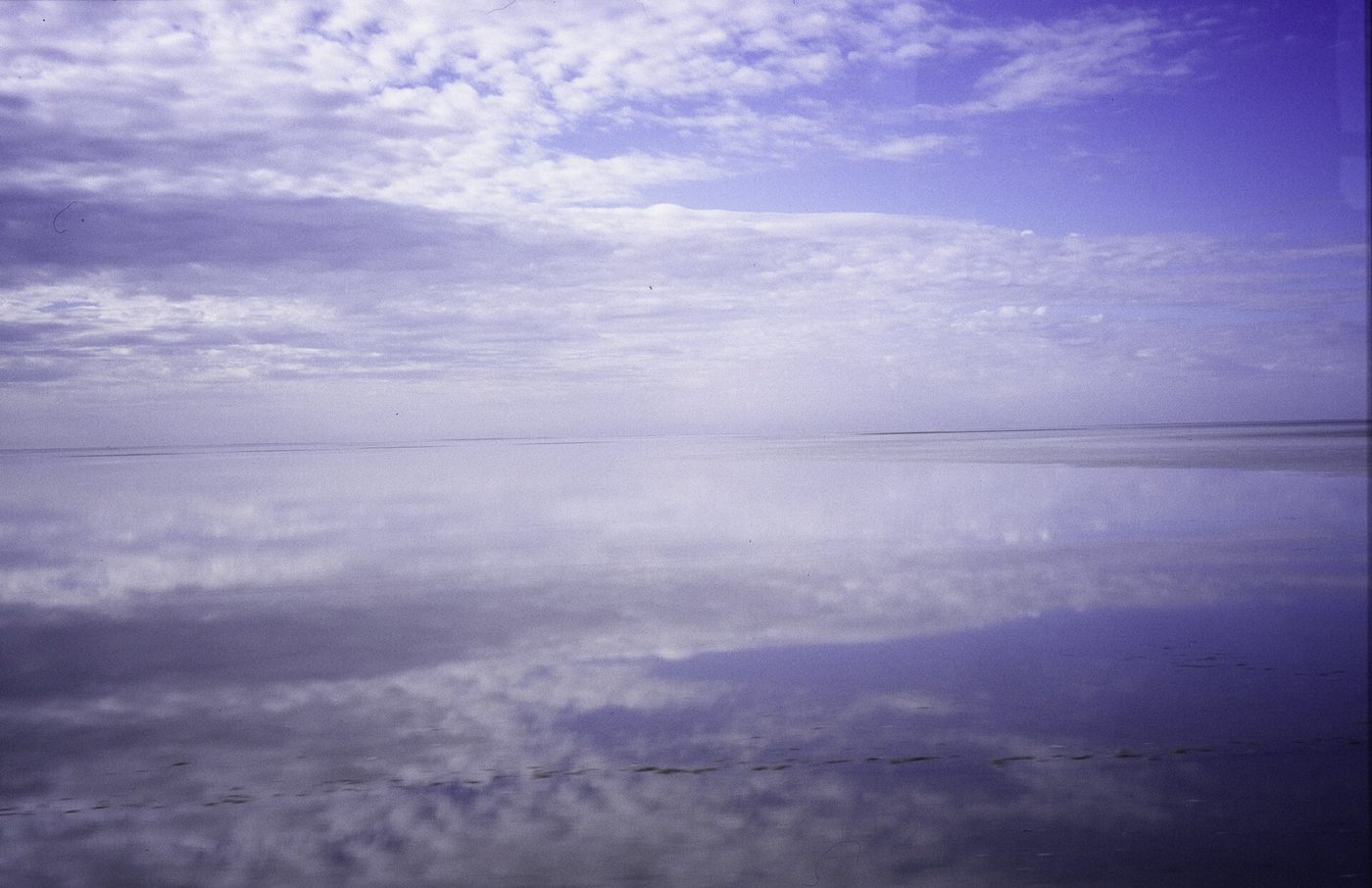
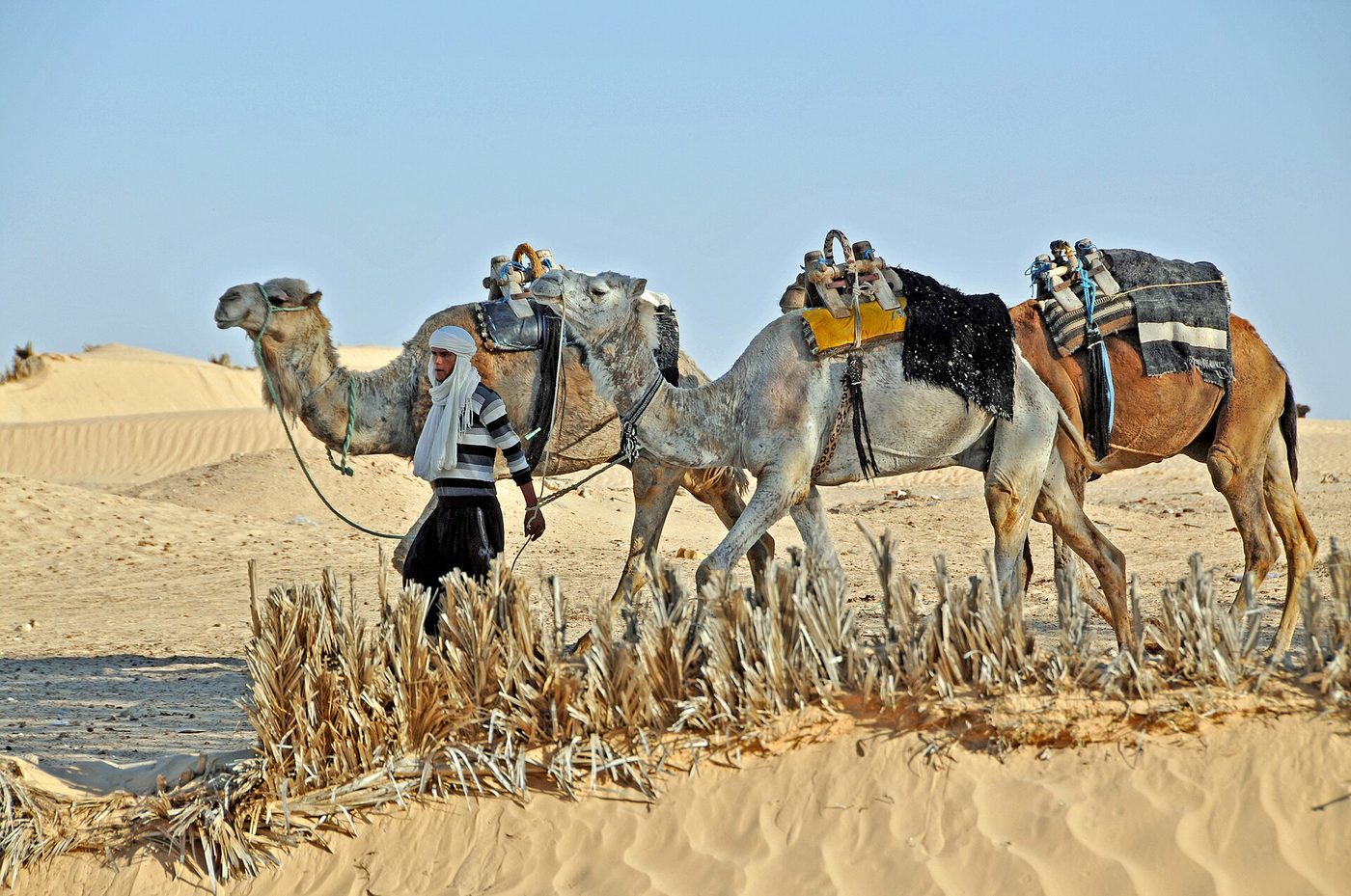
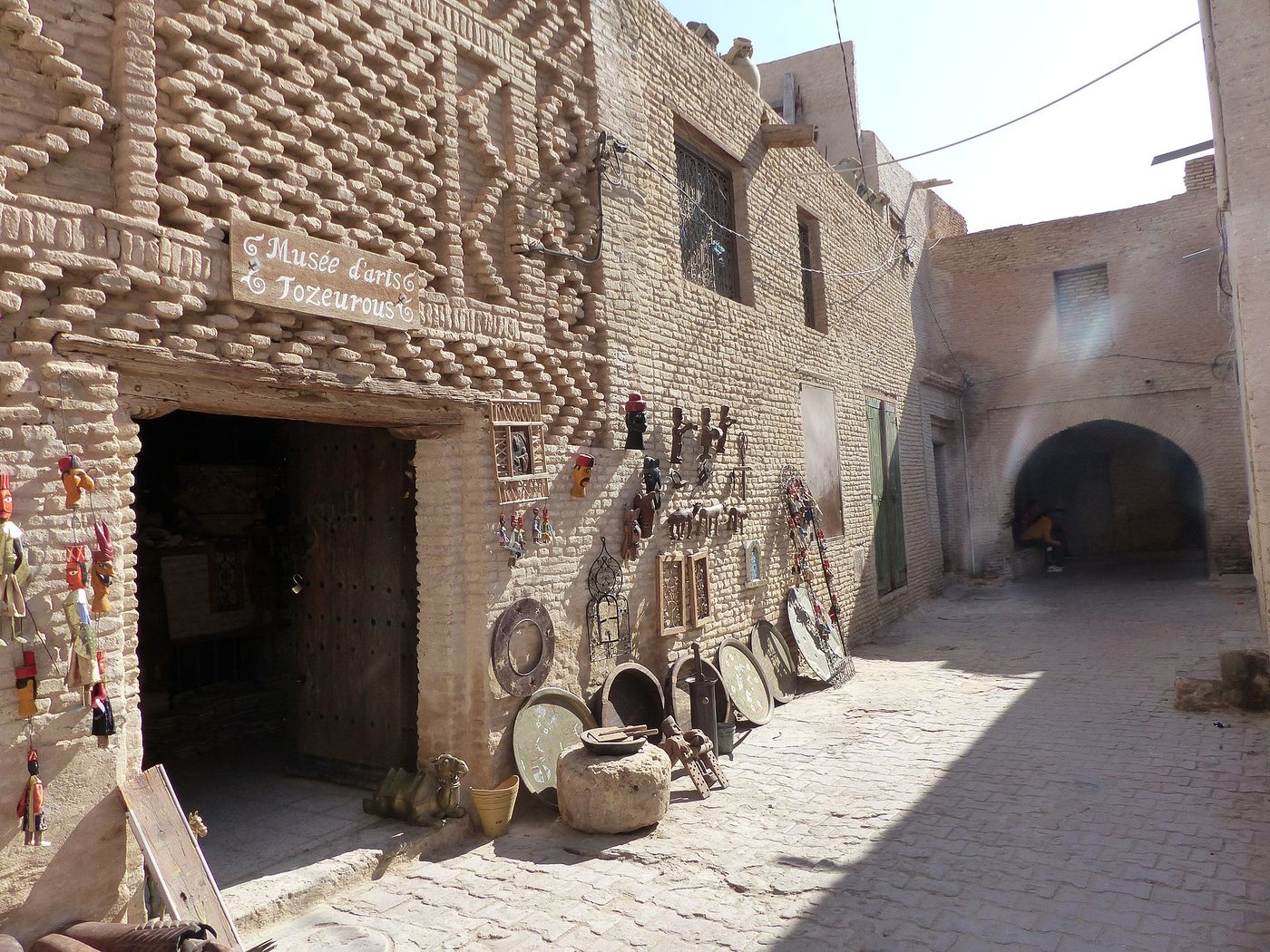
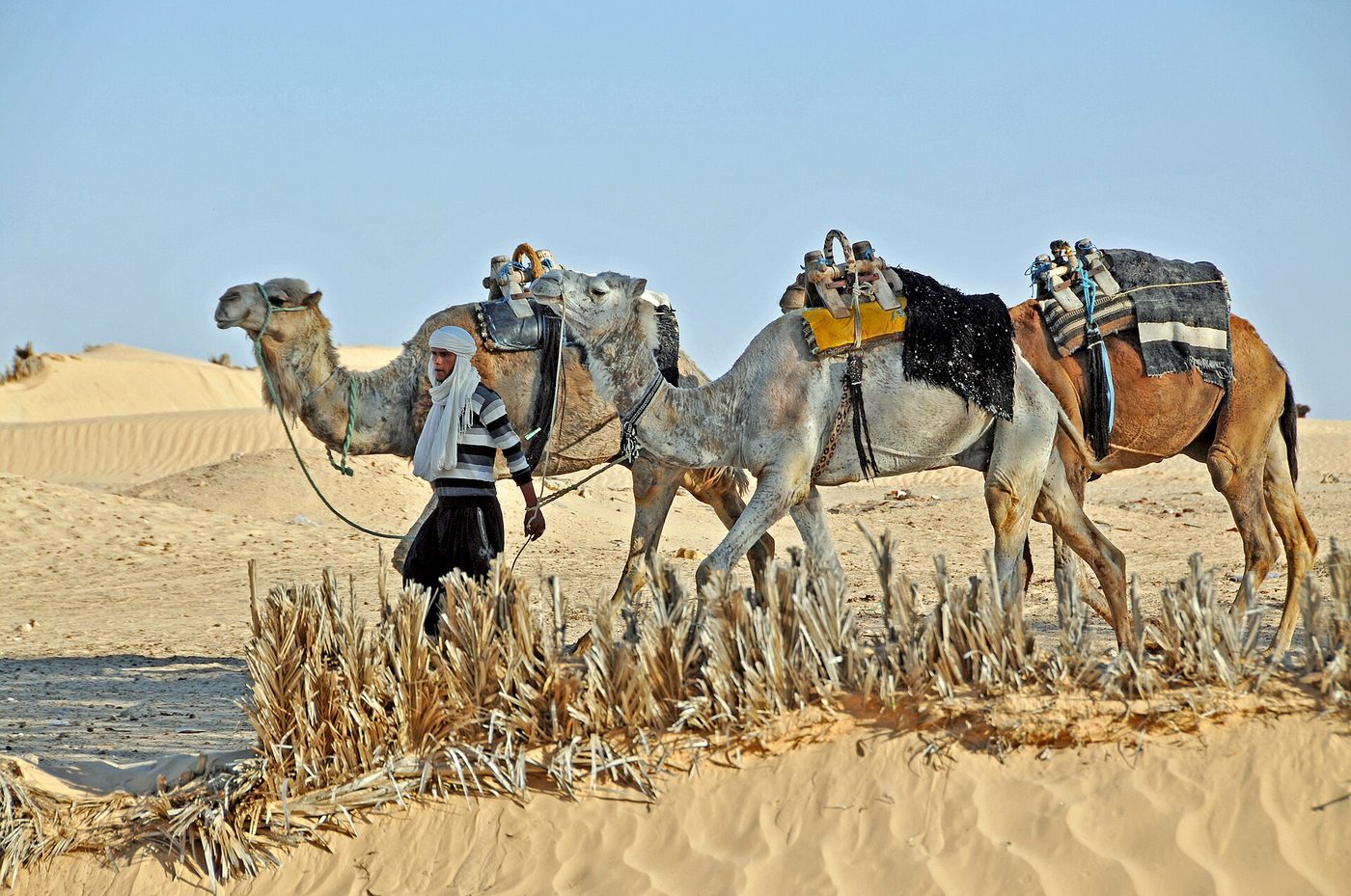
Here’s the happy surprise: March is a fine time for the desert. The Sahara around Tozeur and Douz is bang in the middle of its touring season, which runs roughly October to April precisely because the summer is dangerously hot. In March you get warm, sunny desert days — comfortable for camel treks, 4×4 runs across the Chott el Jerid salt flats, and visits to the mountain oases — with cold, sometimes near-freezing nights, so pack proper layers if you’re overnighting in a desert camp. After the winter rains, you may even catch a scatter of desert wildflowers. It’s one of the country’s great experiences, and our Tunisia Sahara desert guide covers how to do it. Fans of a certain film franchise will also want our Star Wars filming locations guide, since several sets sit out this way.
What to do in Tunisia in March
Play to the month’s strengths — cool-enough weather, empty sites, green landscapes — and March opens up almost everything except the beach. A shortlist of what works best:
- Roman ruins, crowd-free. El Djem, Carthage, Dougga and Bulla Regia are all far more pleasant in mild March air than under a summer sun, and you’ll often have them nearly to yourself.
- A Sahara overnight. Camel trek into the dunes at Douz, a night under the stars, sunrise over the sand — this is peak season for it, so build in a couple of days.
- City sightseeing in Tunis. The Bardo mosaics, the medina, Sidi Bou Said and Carthage make a rich two- or three-day cultural stretch.
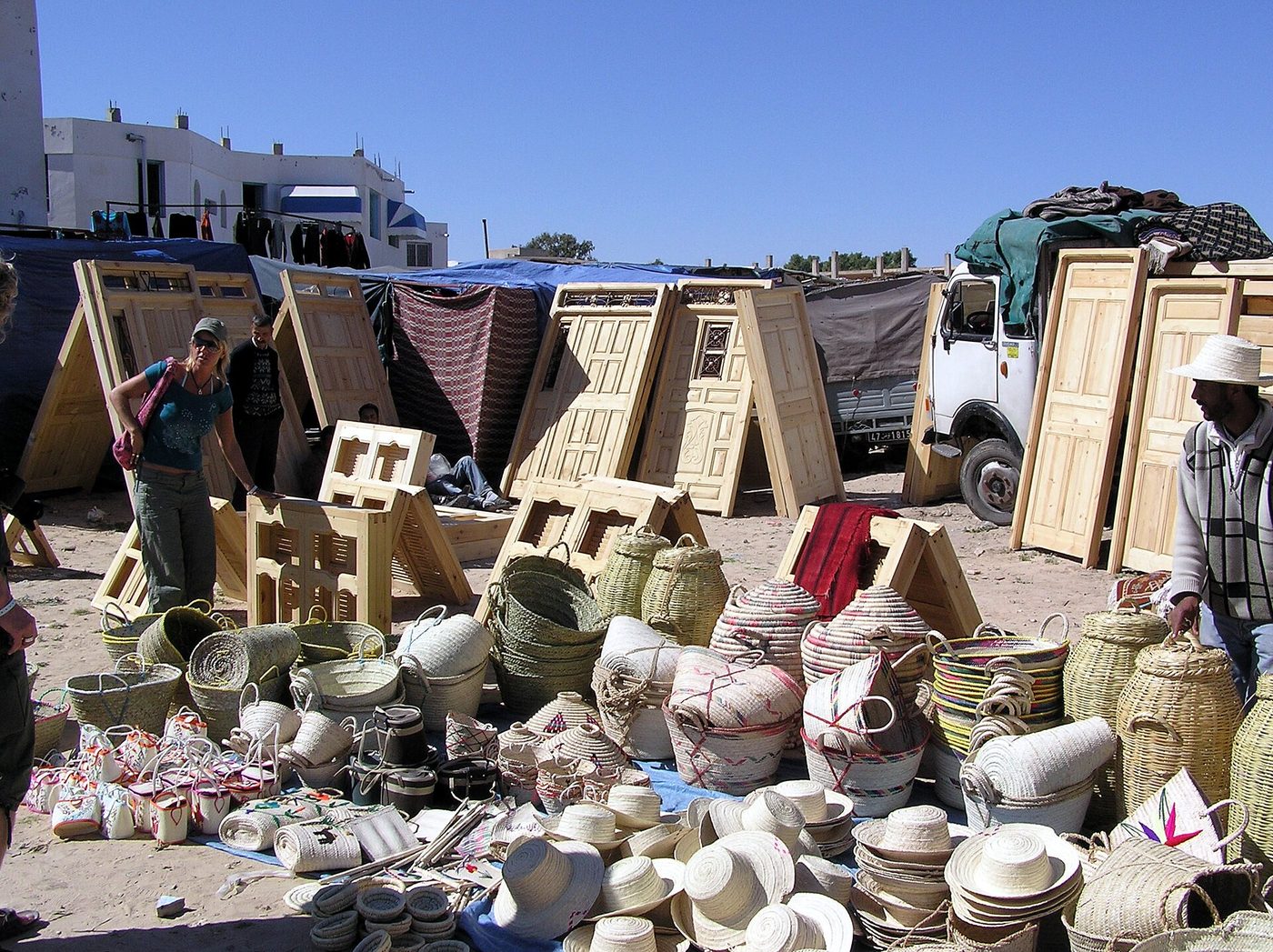
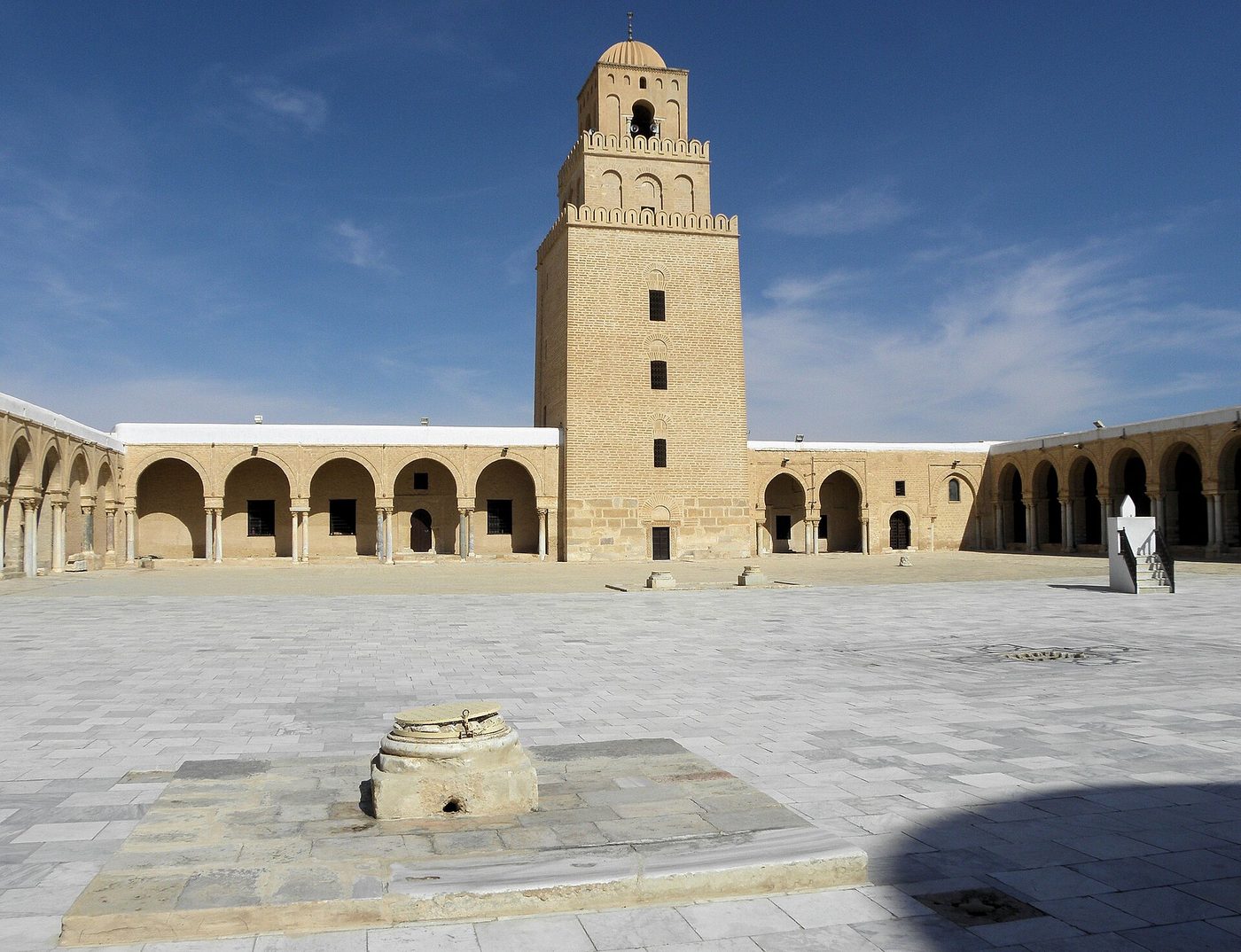
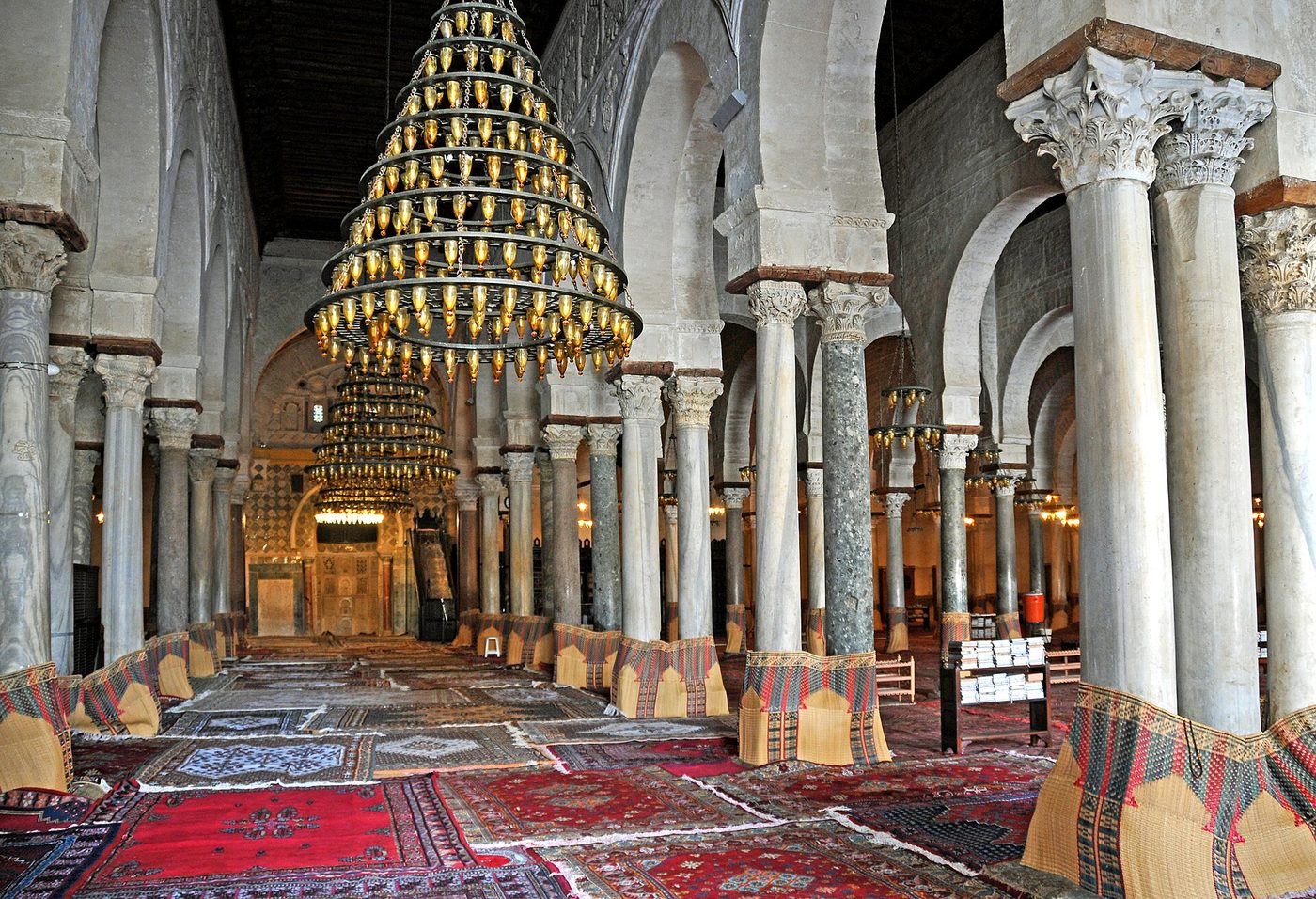
- Medinas and souks. Sousse and Kairouan’s old quarters are calmer and more enjoyable to explore off-season.
- Spa and thalassotherapy. With the sea too cold, this is the shoulder-season speciality — heated pools, hammams and seawater treatments in the big resort hotels.
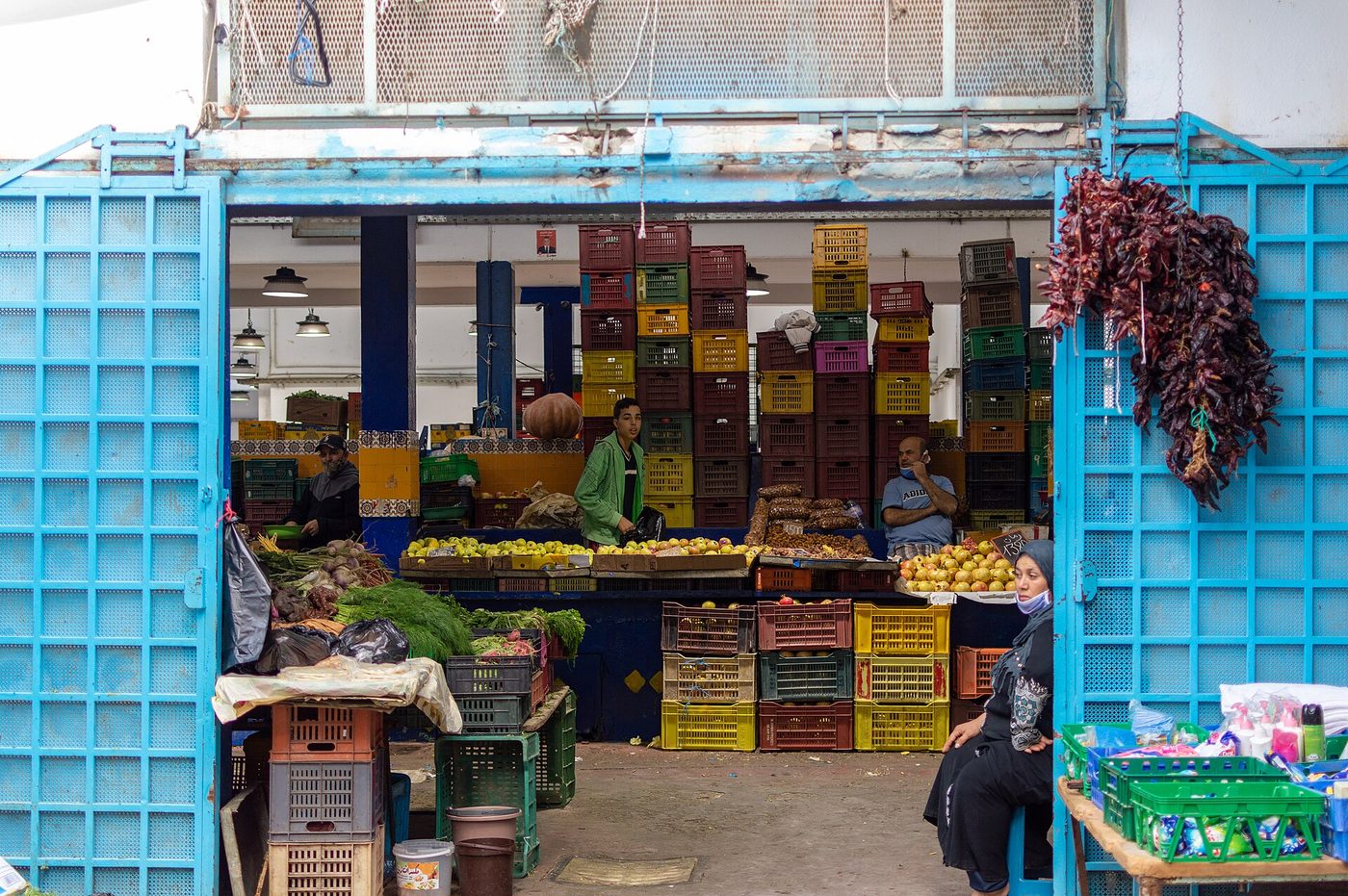
- Food and markets. Cool weather is perfect for long lunches; dig into our Tunisian food guide and eat your way round.
- Independence Day. If you’re there on 20 March, you’ll catch the national holiday (see below).
For the full menu of options across the country, our things to do in Tunisia guide is the place to browse, and if you want a ready-made route, the Tunisia itinerary guide strings the highlights together.
Independence Day, 20 March
Tunisia marks Independence Day on 20 March, commemorating independence from France in 1956. It’s a public holiday, with flag-raising, parades and civic ceremonies, and streets decked in the national red and white. It’s not a major tourist spectacle in the way of a big festival, but it’s a nice slice of national pride to witness if your dates line up. Do bear in mind that as a public holiday, some government offices and services may close for the day.
What to pack for Tunisia in March
Pack for a mild but changeable spring, layered so you can shed and add through the day. The essentials:
- Layers, layers, layers. T-shirts and light tops for warm afternoons, plus a jumper or fleece and a light jacket for cool evenings.
- A waterproof. A packable rain jacket or small umbrella for the odd shower.
- Comfortable walking shoes. You’ll be on your feet at ruins and in medinas far more than on a beach.
- Warm kit for the desert. If you’re doing a Sahara night, bring a proper warm layer, hat and closed shoes — desert nights get genuinely cold.
- Sun protection. The spring sun is stronger than it feels; sunglasses, sun cream and a hat still earn their place.
- A swimsuit, just in case. Mainly for the hotel’s heated pool or spa rather than the sea.
- Modest options. Handy for visiting mosques and respectful during Ramadan; more in our Tunisia travel tips.
Who March suits — and who it doesn’t
March isn’t for everyone, and matching the month to the traveller is what makes or breaks the trip.
| March is great for… | March is wrong for… |
|---|---|
| History lovers who want empty Roman sites | Anyone whose holiday is all about swimming and sunbathing |
| Sahara-curious travellers (prime desert season) | Sun-worshippers chasing a beach tan |
| Value-hunters wanting low-season prices | Party-goers after a lively summer resort scene |
| Couples and culture buffs on a city-and-ruins trip | Families set on splashing in a warm sea all day |
| Walkers and photographers loving green, quiet landscapes | Those who want long, balmy evenings outdoors |
Is Tunisia safe to visit in March? Yes — the same as any other month. The tourist areas are well away from the border and mountain zones the Foreign Office flags, and spring’s quieter atmosphere makes for an easy, low-stress trip. For the full, date-stamped picture, see our guide to whether Tunisia is safe.
March compared to February and April
March sits neatly between two very different neighbours, and seeing the trend helps you pick your week.
Versus February: March is a clear step up. February is colder, wetter and darker, with the coldest sea of the year — beautiful for almond blossom and rock-bottom prices, but more of a winter trip. March keeps the low prices and quiet sites while adding warmth, light and greenery. If you’re choosing between the two for sightseeing, March usually wins.
Versus April: April is warmer, drier and sunnier still, with the sea beginning (slowly) to warm — it’s one of the best all-round touring months of the year, and in 2027 it falls clear of Ramadan. If you can push your trip a few weeks later, April gives you more of everything March does well. March’s edge is that it’s cheaper and quieter, and the landscapes are at their greenest. Between them, these two months are the sweet spot for anyone who cares more about ruins and desert than about beaches.
Tunisia in March: your questions answered
Is Tunisia warm in March?
It’s mild rather than warm — pleasant, not hot. Coastal daytime highs average around 18–20°C with plenty of sunshine, ideal for sightseeing, while nights drop to around 10–11°C. Bring layers for cool evenings. It feels much like a good English spring day: comfortable for being out and about, but not beach-and-sunbathing weather.
Can you swim in the sea in Tunisia in March?
Not comfortably. The sea sits at roughly 15–16°C in March — cold enough that only hardy swimmers will brave more than a quick dip. It’s too cold for a relaxed swim or lazy afternoon in the shallows. If swimming is central to your holiday, look at later spring; for March, treat the coast as scenery and rely on heated hotel pools.
Is March a good time to visit Tunisia?
Yes, if you want sightseeing rather than a beach holiday. March offers comfortable touring weather, uncrowded Roman ruins, prime Sahara-tour conditions, green landscapes and some of the year’s lowest prices. The trade-offs are a cold sea, cool evenings and, in 2027, an overlap with Ramadan. For history, desert and value, it’s one of the best months.
Does it rain a lot in Tunisia in March?
Not heavily. March is drier than the winter months, though you should still expect a few showery days spread across the month, usually short rather than all-day rain. The upside is lush, green scenery and desert wildflowers after the wet season. Pack a light waterproof and you’ll rarely have a day spoiled by it.
What is the sea temperature in Tunisia in March?
Around 15–16°C along the main coast at Hammamet, Sousse and Djerba — close to its coldest of the year, since the Mediterranean warms up slowly after winter. That’s fine for a bracing paddle on a sunny day but too cold for most people to swim properly. The water lags well behind the warming air right through spring.
Is Tunisia affected by Ramadan in March 2027?
Yes — most of early March 2027 falls within Ramadan, which is expected to run roughly 8 February to around 8 March (dates depend on the moon, so confirm nearer the time). Expect many local cafés and restaurants to close or reduce daytime hours and a gentler daytime pace, but tourist hotels serve normally throughout, and the evening atmosphere is a genuine highlight.
What should I pack for Tunisia in March?
Layers for a changeable spring: light tops for warm afternoons, a jumper and jacket for cool evenings, and a packable waterproof for showers. Add comfortable walking shoes, sun protection, and — if you’re doing a desert night — warm kit for cold Sahara nights. A swimsuit is worth bringing mainly for heated hotel pools and spas.
Can you do a desert tour in Tunisia in March?
Absolutely — March is prime desert-touring season. The Sahara around Tozeur and Douz is comfortably warm by day, ideal for camel treks and 4×4 salt-flat excursions, because summer heat there is dangerous. Nights get cold, sometimes near freezing, so pack proper warm layers for overnight desert camps. You may even catch desert wildflowers after the winter rains.
How busy is Tunisia in March?
Pleasantly quiet. March is firmly low season, so major sights like El Djem and Carthage are near-empty, restaurants have tables, and vendor hassle eases with fewer tourists about. That also means some of the lowest prices of the year on flights and hotels. If you value uncrowded sightseeing and good value over lively resorts, the quiet is a real plus.
Is March better than April for visiting Tunisia?
They’re close, and both are excellent for touring. April is warmer, drier, sunnier and clear of Ramadan in 2027, with the sea slowly warming — arguably the better all-rounder. March is cheaper, quieter, and greener. Choose March for value and empty sites, April for warmth and slightly better beach potential. Neither is really a swimming month.
Are the Roman ruins good to visit in March?
Excellent. Mild spring temperatures make walking sites like El Djem, Dougga and Carthage far more comfortable than under the summer sun, and low-season crowds mean you’ll often have them almost to yourself. It’s one of the best months of the year to explore Tunisia’s Roman heritage without heat, queues or coach parties getting in the way.
Is Tunisia cheaper in March?
Yes — noticeably. As a low-season month, March brings some of the lowest prices of the year on all-inclusive packages and flights, and Tunisia’s already low cost of living keeps meals, taxis and excursions cheap on the ground. For value-focused travellers happy to trade a warm sea for uncrowded sightseeing, March is one of the best-value windows to visit.
Written by the Tunisia Tourism Guide team — an independent UK-focused guide to travelling in Tunisia. We don’t sell tours or take hotel commissions. Weather figures are climate averages and dates such as Ramadan and Easter shift each year; always check current forecasts and confirm dates before you book.
Photo credits
All images via Wikimedia Commons, used with thanks: The Roman amphitheatre at El Djem © Agnieszka Wolska (CC BY-SA 3.0); The blue-and-white village of Sidi Bou Said near Tunis in spring © Rene Cortin (CC BY-SA 4.0); The Roman ruins of Dougga (Thugga) (public domain).